

Thank you for Subscribing to Eldercare Review Weekly Brief

Saint Barnabas Medical Center
Theresa Redling, Medical Director
Aging with Dignity: Holistic Geriatrician-led Support for Seniors
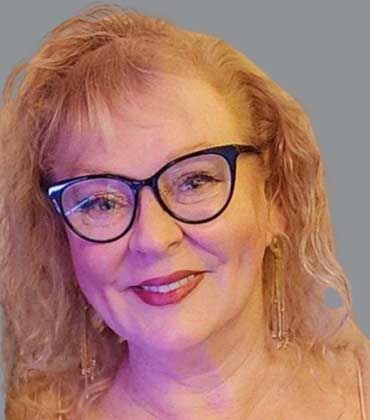
Theresa Redling
Geriatrics is defined by the American Geriatrics Society (AGS) as “a specialty focused on high-quality, person-centered care for older people.” It aims to improve health, independence and quality of life for older adults. Geriatricians specialize in diagnosing and treating conditions that can occur as people age. This field of medicine has grown over the past 30 years and is closely integrated with other fields of medicine.
In the USA, there are only 7,000 practicing geriatricians. Most of these physicians have completed at least one year of specialty fellowship training in geriatric medicine. Research estimates that about 30 percent of people over the age of 65 need a geriatrician to help manage their medical needs, and the number goes up as people age. The fastest growing population in our country is those over 85 years of age. Clearly, there are not enough practicing geriatricians to support the growing healthcare needs of our older population. Most geriatricians participate in education of other physicians and health care practitioners in the care of older patients. Adult nurse practitioners with special training in geriatrics are an important group of clinicians that care for this older population, often working closely with geriatricians. Age is not the main factor that dictates what care is needed and appropriate as people age. Assessment of one’s functional status helps clinicians determine the best care for that individual. What is a Functional Assessment? It is an assessment of a person’s ability to perform basic Activities of Daily living (ADLS) and Instrumental Activities of Daily Living (IADLS). ADLS • Eating • Toileting • Transferring (moving from one surface to another) • Maintaining bladder and bowel continence • Dressing/hygiene • Bathing IADLS • Cooking • Medication management • Cleaning/housework • Using the telephone • Transportation • Managing finances Functional assessment allows the clinician to determine how independent that person is and how much and what kind of care they may need to live independently or with assistance.Age is not the main factor that dictates the level of care needed. Assessment of one’s functional status helps clinicians determine the best care for that individual.
The articles from these contributors are based on their personal expertise and viewpoints, and do not necessarily reflect the opinions of their employers or affiliated organizations.
